

Contact: Ben Somberg, 202-658-8129, bsomberg@aceee.org
Washington, DC—U.S. households would have paid about $6,000 more on their utility bills over the past decade, on average, if national efficiency standards for appliances and equipment weren’t in place, according to a report published today by the Appliance Standards Awareness Project (ASAP). The analysis presents new figures—for each state—on how much the standards have lowered bills, cut electricity demand, and reduced pollution and water waste.
The report comes as the U.S. House of Representatives awaits a vote on a bill (H.R. 4626) that would hand the executive branch new powers to attack existing efficiency standards and create roadblocks to future updates. The Department of Energy has also proposed to revoke standards for 17 products.
“These standards have kept utility bills far lower than they would have been,” said Joanna Mauer, deputy director of ASAP and a co-author of the report. “If the efforts from Congress and the administration to weaken the standards succeed, families and businesses could see significant increases in costs. Rollbacks are completely misguided, especially at a time when bills are already unaffordable for many people.”
The report finds that the utility bill savings from more efficient appliances and equipment are more than three times greater than increases in product purchase prices for improved efficiency. In addition to the household bill savings, the report estimates that without existing efficiency standards:
-
Businesses across the country collectively would have spent $330 billion more on utility bills over the last decade
-
Total U.S. electricity consumption would have been 14% higher in 2025; summer peak demand would have been 115 gigawatts higher—roughly double the power demand of all data centers in the United States
-
An additional 143,000 tons of nitrogen oxides (NOx)—which cause asthma attacks, cardiovascular disease, and even premature death—would have been emitted across the United States in 2025. This is roughly four times the annual emissions from all the school buses in the country.
-
An additional 1.5 trillion gallons of water would have been wasted in 2025, which is equivalent to about 16% of total residential water use
The report is accompanied by one-page fact sheets that provide the estimated savings in each state. The variation across states is due to a range of factors, including differences in energy and water prices and in heating and cooling needs.
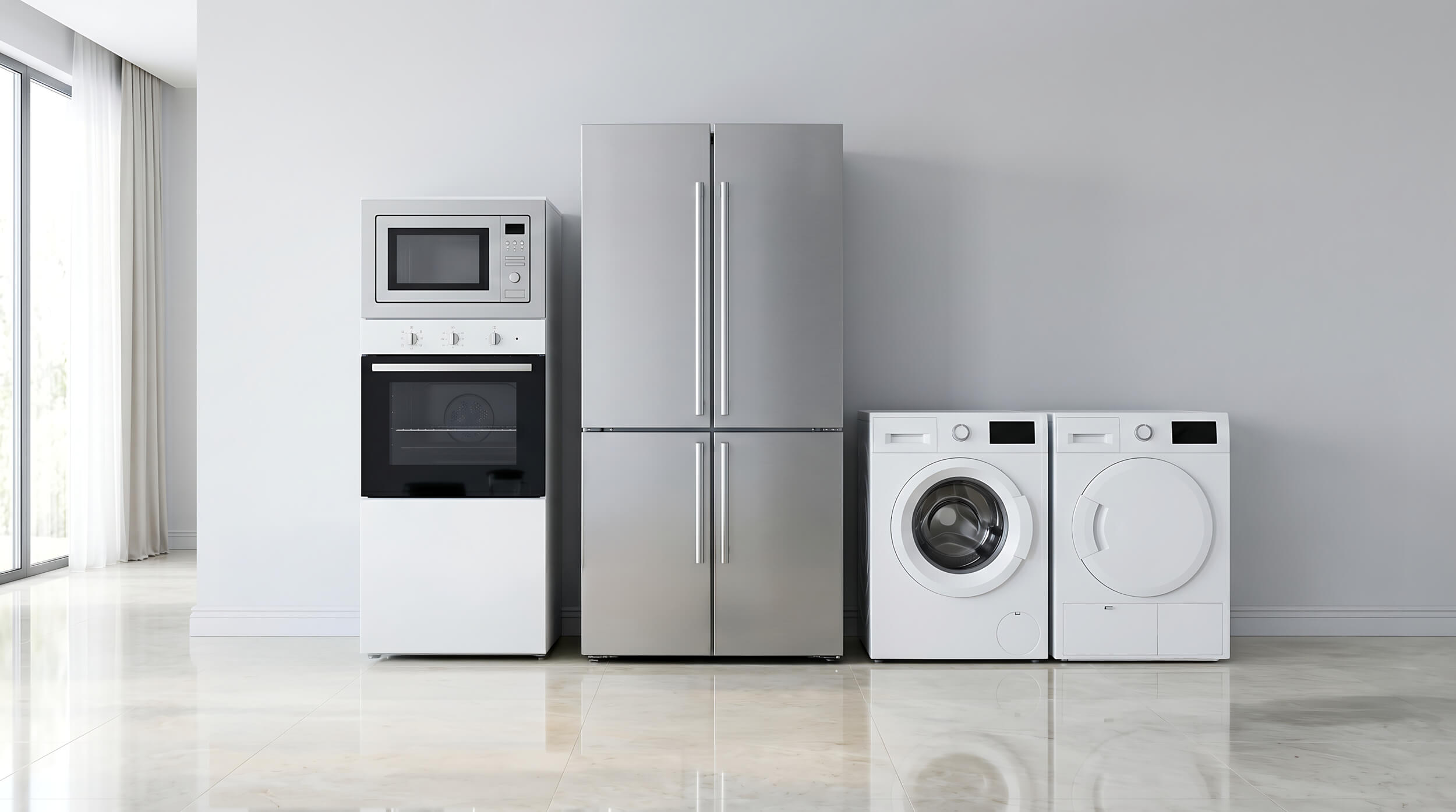
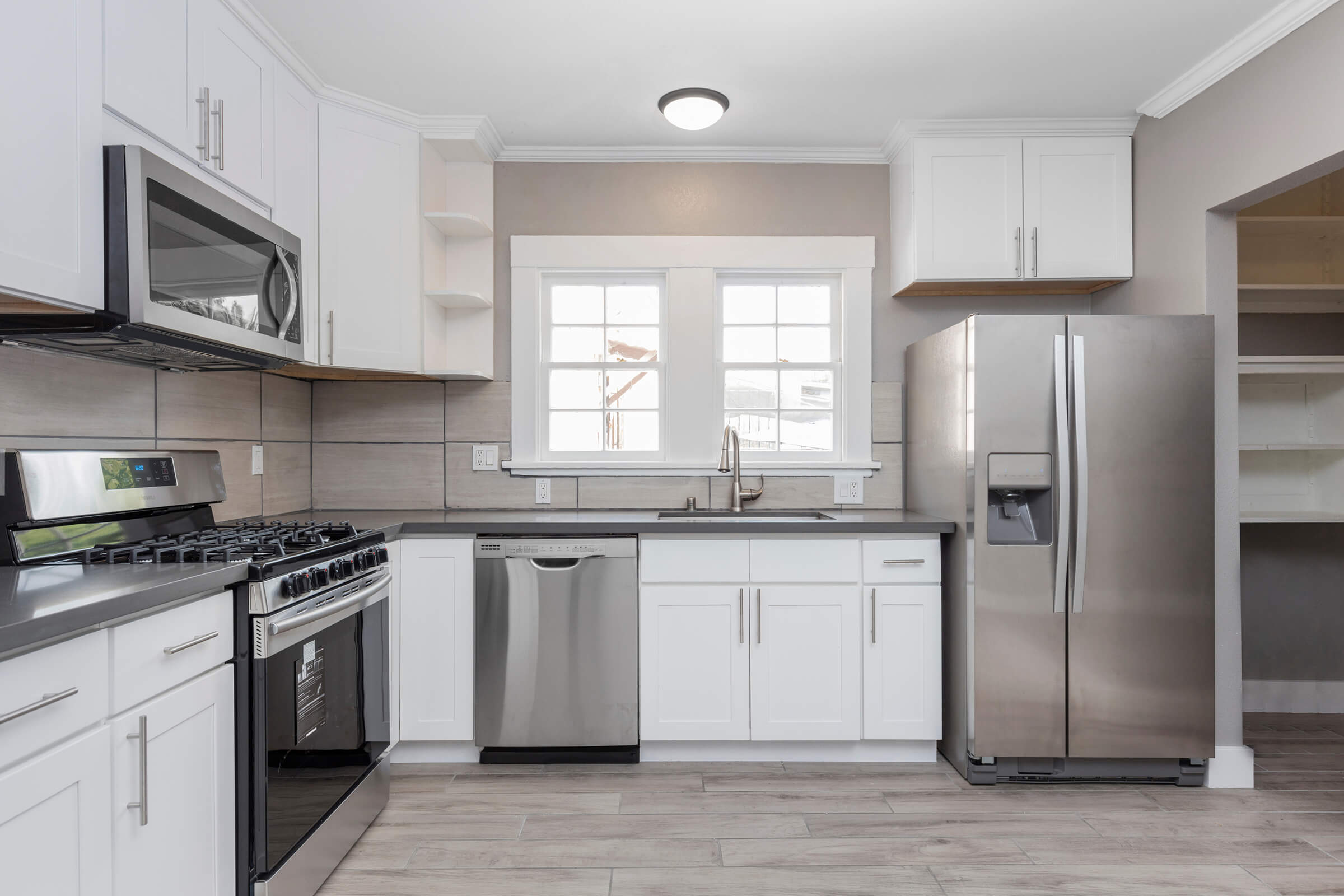
Federal efficiency standards ensure that new appliances, equipment, light bulbs, and plumbing products for homes and businesses meet a minimum level of energy or water efficiency. First set by Congress in 1987, national standards now cover more than 50 categories of products.
The law tasks the U.S. Department of Energy with reviewing each standard on an eight-year schedule and—based on a rigorous analysis—determining whether an update is economically justified. An ASAP report published last year found that further strengthening efficiency standards could save U.S. households an additional nearly $150 annually on their utility bills, on average, over two decades (2030–2050) and that businesses could collectively save $13.8 billion annually.
###
The Appliance Standards Awareness Project (ASAP) advocates for appliance, equipment, and lighting standards that cut planet-warming emissions and other air pollution, save water, and reduce economic and environmental burdens for low- and moderate-income households. ASAP’s steering committee includes representatives from environmental and efficiency nonprofits, consumer groups, the utility sector, and state government.